Earlier this month, Google quietly removed the &num=100 parameter. This is what allowed you to view 100 search results on a single page.
At first glance, this seems like a minor technical change. But for many SEOs, rank trackers, and reporting dashboards, it’s been a big deal.
What Has Changed
Previously, adding &num=100 to a Google search URL would return the top 100 results in a single request. Rank trackers loved this as they could collect a full set of results with just one crawl.
Now, that’s no longer possible. To get the same 100 results, tools need to load 10 pages instead of one, which increases infrastructure costs by about 10x.
Google has confirmed that this is not a bug:
“The use of this URL parameter is not something that we formally support.” – Google Spokesperson
What This Means for SEO Tools
For rank tracking platforms, this has two big effects
- Higher costs per keyword. Expect third party tools to tweak pricing or limit the depth of results they track. Some providers have already shifted to focusing on top 10 or top 20 results by default.
- Potential gaps in early reporting. Some dashboards went blank for a few days while tools adapted, so if you saw strange data mid-September, this is likely why.
In the long run, this might actually lead to more focused reporting. After all, most clicks happen in the top 10 results and tracking position #87 might not be worth the extra cost.
The Impact on Google Search Console
Interestingly, this change didn’t just affect third-party tools. Around the same time, many SEOs noticed sharp drops in Google Search Console impressions especially on desktop, along with rising average positions.
The likely reason: bots.
When rank trackers used &num=100, any result appearing in positions 1–100 would count as an impression, even if no human ever saw it. With that parameter gone, those bot-driven impressions disappeared overnight.
This discovery has led some in the SEO community, including Brodie Clark, to question whether the “Great Decoupling” (the trend of impressions rising faster than clicks) may have been partly caused by bots rather than real user behaviour.
If true, this might actually make GSC data more reflective of actual human search patterns going forward. A win for those of us who rely on it to make decisions.
Why Did Google Do This?
Google hasn’t given an official reason, but the most likely explanations are:
- Reduce scraping load. Large scale crawling puts strain on Google’s infrastructure.
- Protect data. Making it harder to extract large amounts of SERP data which keeps control over Google’s index.
- Improve reporting accuracy. Removing bot impressions may make Search Console a more reliable source of truth.
What to Do Next
If your impression numbers dropped in September, it may not mean your visibility collapsed. It’s a measurement shift.
- Focus on meaningful rankings. Tracking the top 1–20 results is where the business impact is strongest.
- Monitor how your tools respond. Some providers are still rolling out fixes and may change default tracking depth or pricing.
- Have discussions about what metrics matter most to your business. If you haven’t already, you should be focusing on what has real user data; Clicks, Engagement, Conversions
The removal of &num=100 is inconvenient in the short term especially if you rely on deep keyword tracking, but it might leave us with cleaner, more human-centric data in the long run.
Less Noise. More Action
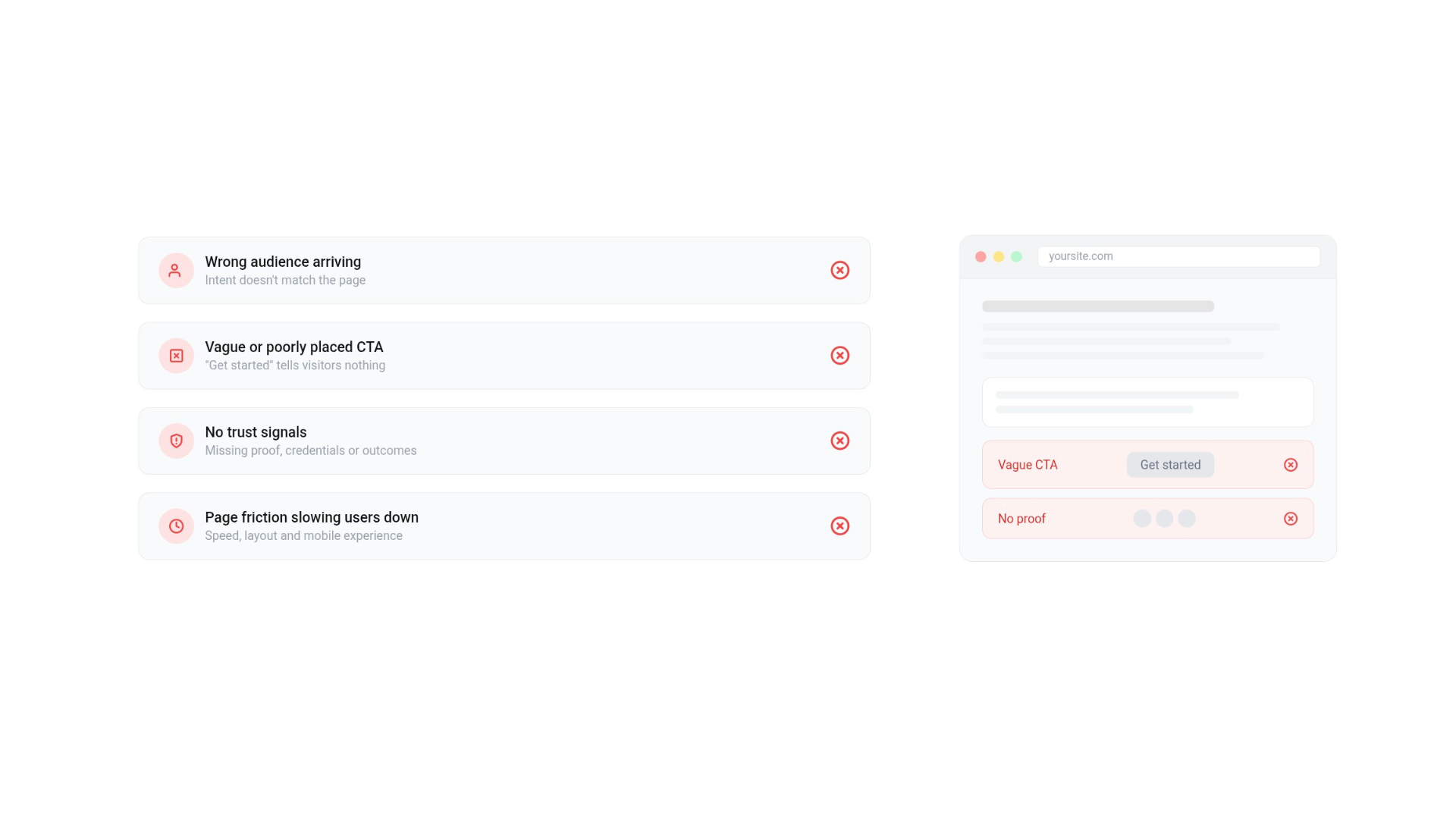
If your reports suddenly look weaker, it’s worth having conversations with your team that this isn’t necessarily a ranking loss and instead is just a change in how Google counts and serves results.
And as with any shift in how Google works, it’s a good moment to step back, review what you measure, and make sure you’re focusing on the metrics that actually matter.
I’ll be keeping a close eye on how this change evolves and share updates proactively, so clients know what to expect as reporting tools adapt.