The Ecommerce funnel isn’t disappearing, but it is changing shape.
Across Google, ChatGPT, Shopify and Amazon, AI is beginning to handle more of the steps between intent and purchase. Not just informing decisions, it’s taking action.
That emerging shift already has a name…
Agentic Commerce.
AI that doesn’t just recommend, but acts on your behalf.
It won’t eliminate the need for websites. But it will change when users interact with them, and which parts of the journey they still control. That creates both challenge and opportunity for brands, especially those relying on product pages for core conversions.
What Is Agentic Commerce?
The traditional Ecommerce path looked like this:
Search, Browse, Compare, Add to Cart and Checkout
Agentic checkouts quietly compresses that journey into a single interaction inside an AI environment. The user expresses intent, and AI handles the entire purchase journey.
That means AI can now:
- Track prices and notify users when they drop
- Compare products side by side
- Summarise reviews and users experiences
- Check real-time stock levels
- Verify local availability
- Complete checkout via Google Pay or other payment services
- Provide answers via chat, email or text
AI doesn’t need to remove the funnel. It can simply make it invisible.
Google’s Agentic Checkout
Google is now rolling out Agentic Checkout across Search and AI Mode. It’s starting with select U.S. merchants including Wayfair, Chewy, Quince and some Shopify stores, with more expected to follow.
Here’s what the process looks like for the user:
- Track an item
- Set size, colour and budget
- Let Google monitor price drops
- Receive a notification when it reaches your budget
- Approve the purchase
- Google buys it using Google Pay
That means:
- No browsing
- No product page
- No cart visit
- No traditional checkout
- No direct website visit at all
And Google is pushing further.
It can now call local stores on your behalf to check stock, pricing and promotions and send the answers to you via text or email. This is powered by a new Gemini enhanced version of Duplex, Google’s conversational AI technology.
So now AI Mode can support:
- Product discovery
- Side by side comparisons
- Review sentiment insights
- Real-time inventory
- Price tracking
- Checkout
- Local stock verification via outbound AI calls
AI is not simply informing decisions, it’s taking action.
It’s Not Just Google. A Pattern Is Emerging Across Platforms
Here’s how the wider AI landscape is changing
| Platform | Agentic Behaviour |
| Google AI Mode | Price tracking, automated checkout and local stock verification via AI |
| ChatGPT | In-chat product discovery and purchasing |
| Amazon Rufus | Conversational shopping assistant |
| Shopify Sidekick | AI that can support store operations, sales and live chats in to checkouts |
| Meta | Early testing of commerce flows inside chat environments |
Different tools where AI becomes the interface and the purchase happens inside the conversation.
What This Means for SEO & ecommerce Teams
If AI becomes the decision layer, then the inputs behind that decision become critical.
Here’s what brands and ecom-stores should be focusing on to get ahead.
| Focus Areas | Impact |
| Product data accuracy | AI will rely on your data feed, not your page content. |
| Structured data & schema | Schema alignment drives visibility and eligibility |
| Inventory reliability | False signals and cancellations may reduce trust and visibility |
| Pricing competitiveness | If your price isn’t competitive, you might not surface at all. |
| Conversion optimisation | Checkout may never happen on your website |
| Brand experience | Touchpoints shrink and brand recall could become challenging |
Agentic Commerce doesn’t remove websites from the process. It shifts their role, up and after the point of purchase.
For Shopify Brands Agentic Checkout has added Pressure & Potential
Shopify merchants may feel this shift earliest with
- Frictionless checkout via Google Pay
- Increased reach in AI-driven shopping results
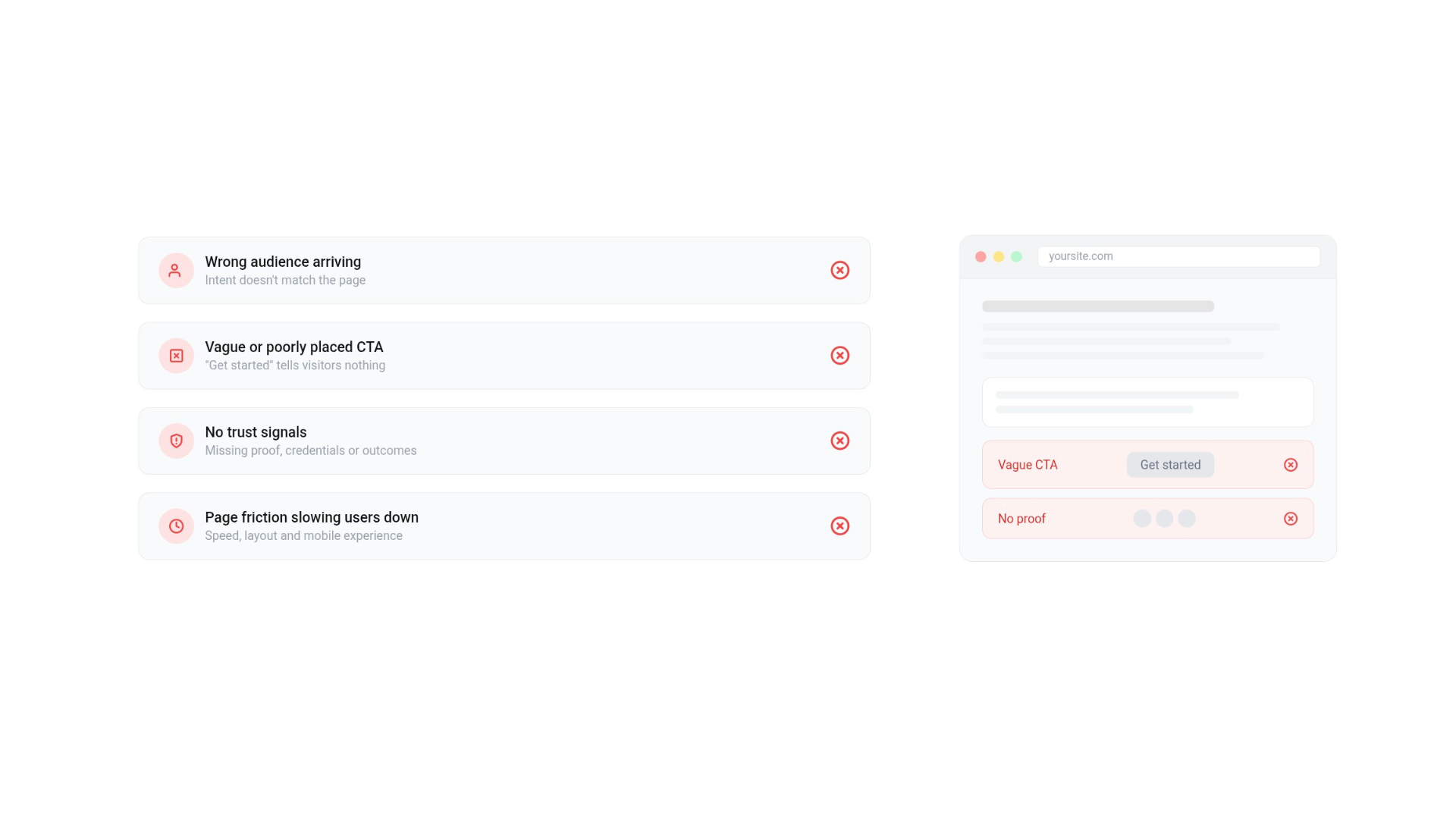
- Fewer site visits
- Less brand differentiation
- More competition within AI environments
The question is no longer only “How do we drive clicks?”
It becomes, “How do we remain relevant when the journey is increasingly invisible?”
So, How Can Brands Prepare?
Over the coming months, these areas will matter most,
Technical & Data Readiness
- Audit structured data and schema alignment
- Review product feeds for accuracy across size, colour and variants
- Ensure inventory data matches reality to avoid cancellations
Commercial Strategy
- Revisit pricing as it may directly influence AI visibility
- Reassess your returns and delivery information for clarity in AI comparison tables
- Consider margin pressure in price sensitive categories
Brand & Retention
- Build brand touchpoints before the AI journey begins
- Focus on loyalty after the purchase
- Create content that AI can reference confidently
Agentic Commerce won’t replace websites. But it will reshape the journey users take to reach them.
The opportunity now lies in two places:
The brands that will adapt best are those asking not only how do we appear? but how do we stay memorable?
Update: Google’s Universal Commerce Protocol (UCP)
On 11th January 2026, Google announced the Universal Commerce Protocol (UCP), an open standard designed to formalise how AI systems interact with commerce data across discovery, checkout, and post-purchase support.
UCP doesn’t change the direction of agentic commerce, it confirms it.
If you want to know more, I’ve covered what the Universal Commerce Protocol (UCP) means in more detail.
If you’d like support adapting your content strategy, structured data or Ecommerce setup for this shift, Let’s talk.