When Sundar Pichai recently mentioned in an interview that “people are spending more time on Google,” it stuck with me.
On the surface, that might sound like a win for Google, more engagement, more interaction, more time on site. But dig deeper, and it raises an important question…
Are users spending more time on Google because the experience is better, or because it’s becoming harder to find what they’re looking for?
The Data
A 2024 survey conducted by Scorpion and Dynata, reported by Search Engine Land, found that:
- 54% of users now browse through more search results than they did five years ago.
- 51% said they spend more time searching for services online.
If we revisit those data points a year on, it would be fascinating to see if this trend is accelerating – because it may not be about improved satisfaction at all.
“More Time On Google”
More time on site is generally seen as a positive metric. But in search, more time doesn’t always mean a better experience.
With features like AI Overviews, AI Mode and agentic checkout, users might be clicking more but engaging less. We could see,
- Fewer total pages visited (because Google answers the query directly)
- Shorter site sessions (because users never make it off the Search Results Pages)
- Reduced interaction depth with websites
In other words, search might be getting “stickier” for Google, but not necessarily more satisfying for users.
Alternative Search Behaviours
Some users are bypassing traditional search altogether, turning to tools like ChatGPT, Perplexity, or Gemini to get more direct answers.
This is particularly interesting for transactional queries. If people are asking an LLM “What’s the best CRM for a small business?” instead of Googling it, that’s a shift in search behaviour we can’t ignore.
What This Means For SEO
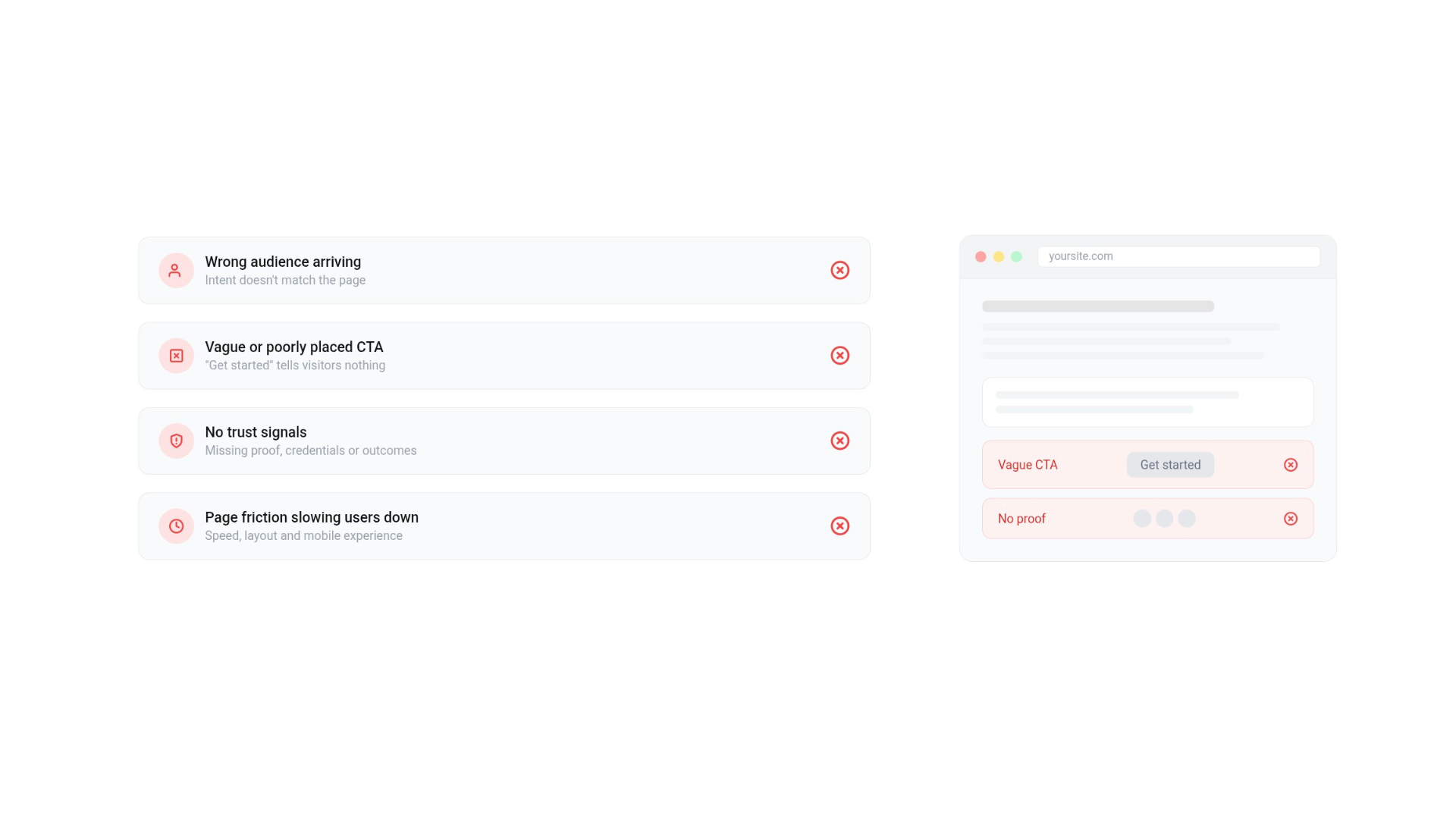
If users are spending more time searching but getting less value, that creates an opportunity and a challenge for site owners:
- Prioritise clarity and trust: Make your pages easy to scan and answer queries directly.
- Optimise for featured snippets and AI summaries: If users aren’t clicking as much, being part of the answer matters.
- Monitor engagement, not just rankings: Track whether your organic visitors are finding what they need quickly.
“Increased time on Google” might sound like a win, but it could just as easily be a red flag.
As SEOs and site owners, we should be asking whether we’re helping users get answers faster, or simply making them spend more time clicking around.
What To Do Next
- Audit your content for clarity and intent: Make sure your pages give users fast, direct answers.
- Explore how LLMs and AI Overviews are reshaping search: Read my article on rendering for users, bots, and LLMs.
If you’d like expert support reviewing how your site performs across Google search and AI-driven discovery, I can help.