Search engines don’t just rank content anymore. They rank experiences.
UX and SEO have been deeply connected for quite some time. What’s changed is how visible that connection has become.
If a user lands on your site and struggles to find what they need, waits for pages to load, or feels unsure about what to do next, that creates friction.
Not just for the user, but in how search engines interpret the quality of that experience.
User experience (UX) and SEO shouldn’t be treated as separate disciplines. They work together, and understanding that relationship is key to improving both visibility and performance.
What Do We Mean by UX?
User experience (UX) is how someone interacts with your website.
It includes things like:
- How easy it is to navigate
- How quickly pages load
- How clear your content is
- How intuitive your layout feels
- How smoothly users can complete actions
In simple terms, UX is about making your site easy, useful, and enjoyable to use.
Why UX Matters for SEO
A Search Engine’s goal is to provide the best possible result for a user’s query.
That doesn’t stop at ranking a page. It includes what happens after the click.
If users:
- Click and immediately leave
- Struggle to find information
- Don’t engage with the page
It suggests the result may not have been the best match.
On the other hand, if users:
- Stay on the page
- Interact with content
- Continue their journey
It reinforces that the page is useful.
While search engines, like Google, don’t use every behavioural metric directly, UX strongly influences the signals that matter.
Key UX Factors That Impact SEO
Page Speed
Speed is one of the most direct connections between UX and SEO.
Slow websites:
- Frustrate users
- Increase bounce rates
- Reduce engagement
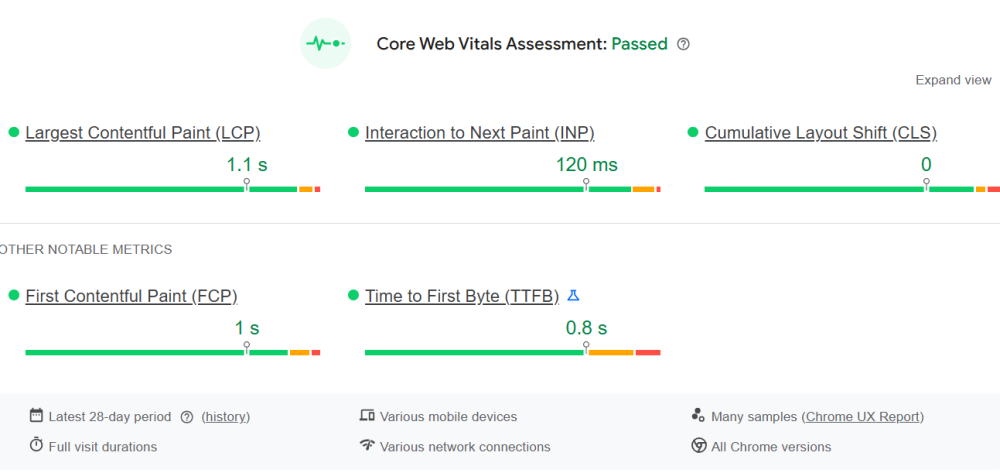
Google has made this explicit through Core Web Vitals, which measure:
- Load speed
- Interactivity
- Visual stability
A fast site isn’t just better for users – it’s a confirmed ranking factor.
Mobile Experience
Most searches now happen on mobile.
If your site:
- Doesn’t adapt properly
- Is difficult to navigate
- Has awkward layouts
You’re creating friction before a user even engages.
Google uses mobile-first indexing, meaning your mobile experience is the primary version it evaluates. Diagnosing what’s actually slowing a site down, scripts, server response, render-blocking resources, is usually a technical SEO review.
Site Structure & Navigation
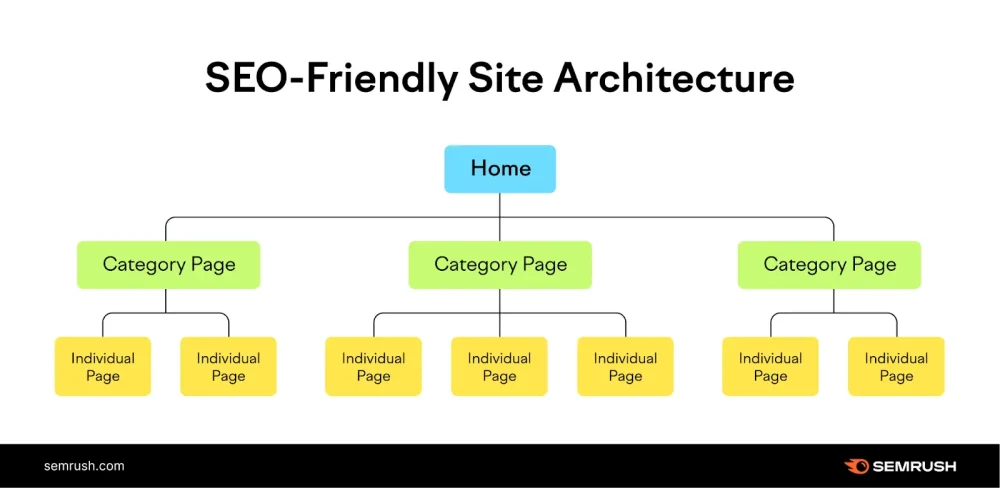
A clear structure helps both users and search engines.
Good navigation:
- Helps users find what they need quickly
- Distributes authority across your site
- Improves crawlability
If users get lost, search engines and other crawlers often do too.
Content Readability
Even great content won’t perform if it’s hard to consume.
Things that improve readability:
- Clear headings
- Short paragraphs
- Logical flow
- Simple language
Content should match intent and be easy to scan, especially on mobile.
Internal Linking
Internal links guide both users and search engines through your site.
They:
- Help users discover related content
- Provide context
- Strengthen topical relevance
From a UX perspective, they reduce friction.
From an SEO perspective, they improve structure.
Engagement & Interaction
UX influences how users interact with your site.
This includes:
- Clicking through to other pages
- Scrolling
- Spending time reading
- Completing actions
While not all of these are direct ranking factors, they reflect whether your content meets expectations.
How to Identify UX Issues That Impact SEO
Understanding UX isn’t just about how a site looks or feels. It’s about how users actually behave.
This is where your data becomes valuable.
There are a few key metrics that can help highlight friction points across your site:
Engagement Rate
A low engagement rate can indicate that users aren’t finding what they expected, or aren’t compelled to interact further.
Average Session Duration
If users are leaving quickly, it may suggest content isn’t meeting intent, or the experience isn’t encouraging them to stay.
Core Web Vitals
These measure real-world user experience, including load speed, responsiveness, and visual stability. Poor performance here can directly impact both UX and rankings.
Looking Beyond Metrics: Understanding User Journeys
Metrics give you signals, but behaviour tells the story.
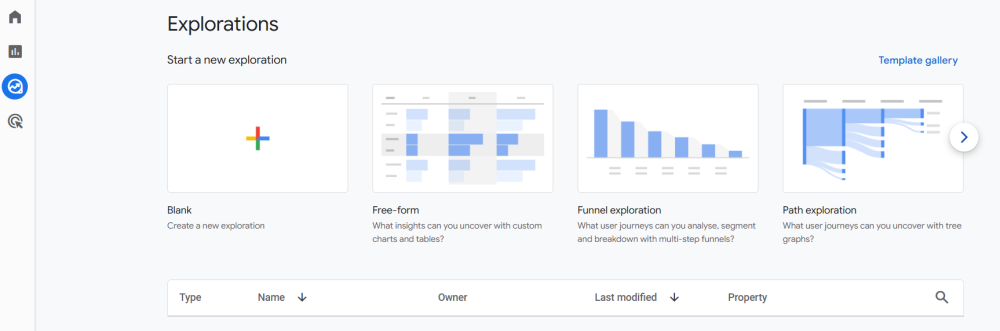
In Google Analytics, it’s helpful to go a step further by analysing how users move through your site.
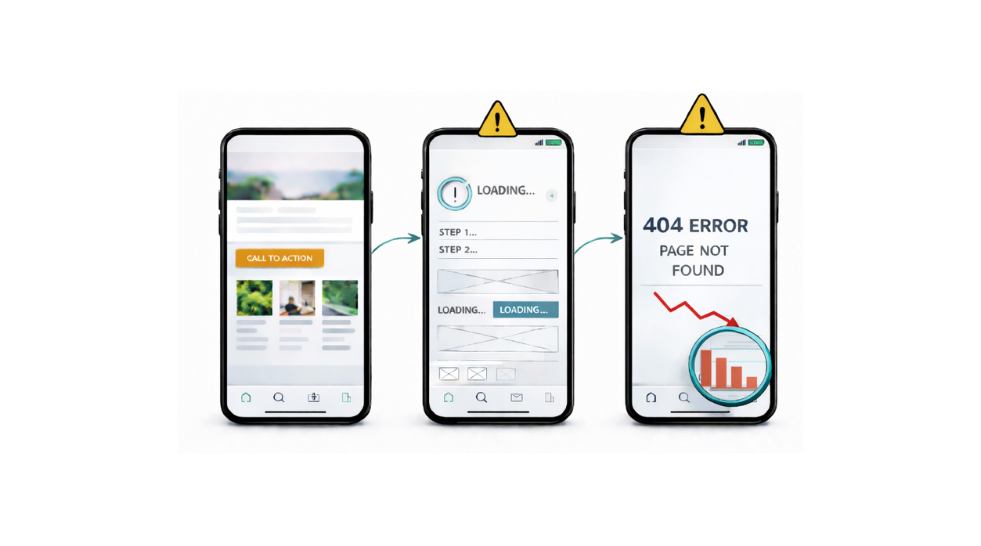
Funnel reports can highlight where users drop off in key journeys, such as:
- Product view, Add to cart, Checkout, Purchase
- Landing page, Service page, Contact
This helps you identify exactly where friction is happening.
Path Exploration reports provide another layer of insight, showing the routes users take through your site, where they continue, and where they exit.
Together, these insights help you move beyond assumptions and understand how real users experience your website.
UX, SEO and Conversion Are Connected
This is where things often get missed. SEO brings users to your site and UX determines what happens next.
If your site ranks well but:
- Confuses users
- Lacks clear direction
- Creates friction
you’ll struggle to convert that traffic into results.
Improving UX doesn’t just support SEO, it improves conversion rates, user satisfaction and long-term engagement.
Often, the biggest gains don’t come from more traffic, but from improving what happens once users arrive.
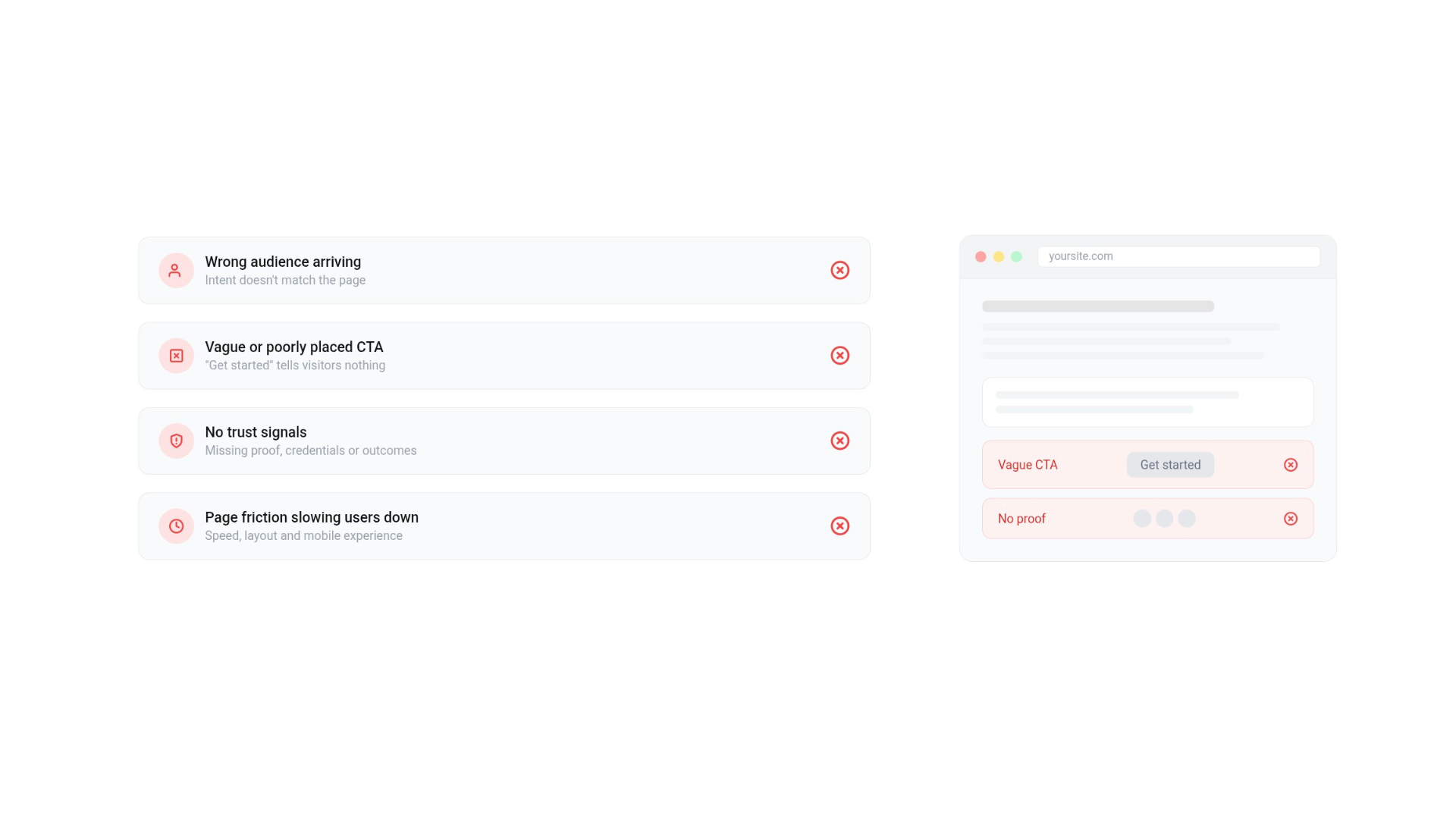
Common UX Issues That Impact SEO
Some of the most common problems I see include:
- Slow-loading pages
- Cluttered layouts
- Poor mobile experience
- Unclear calls to action
- Content that doesn’t match intent
- Difficult navigation
None of these are purely “SEO issues”, but they all affect performance.
SEO doesn’t end at the click.
Ranking and being visible is only part of the journey. What matters just as much is what happens when someone lands on your site. This doesn’t just impact SEO, think about revenue spent on ads across various platforms, you’re paying to send users to a poorly performing website.
A strong user experience helps users find what they need, take action, and trust your business.
And increasingly, that’s exactly what search engines and LLMs are looking for.
If your site is getting traffic but not converting, or you’re unsure how UX might be impacting your SEO, I can help you uncover where the gaps are and what to improve.